
North Carolina Public Records Law
North Carolina's public records law lives in Chapter 132 of the General Statutes. It defines public records broadly to include documents, letters, maps, photographs, electronic data, and other materials made or received in public business by state and local agencies. That generally covers county agencies like the Sheriff and the Register of Deeds, subject to exceptions.
The foundation is the definition itself, which sets what counts as a public record.
Read N.C.G.S. 132-1, the public records definition.
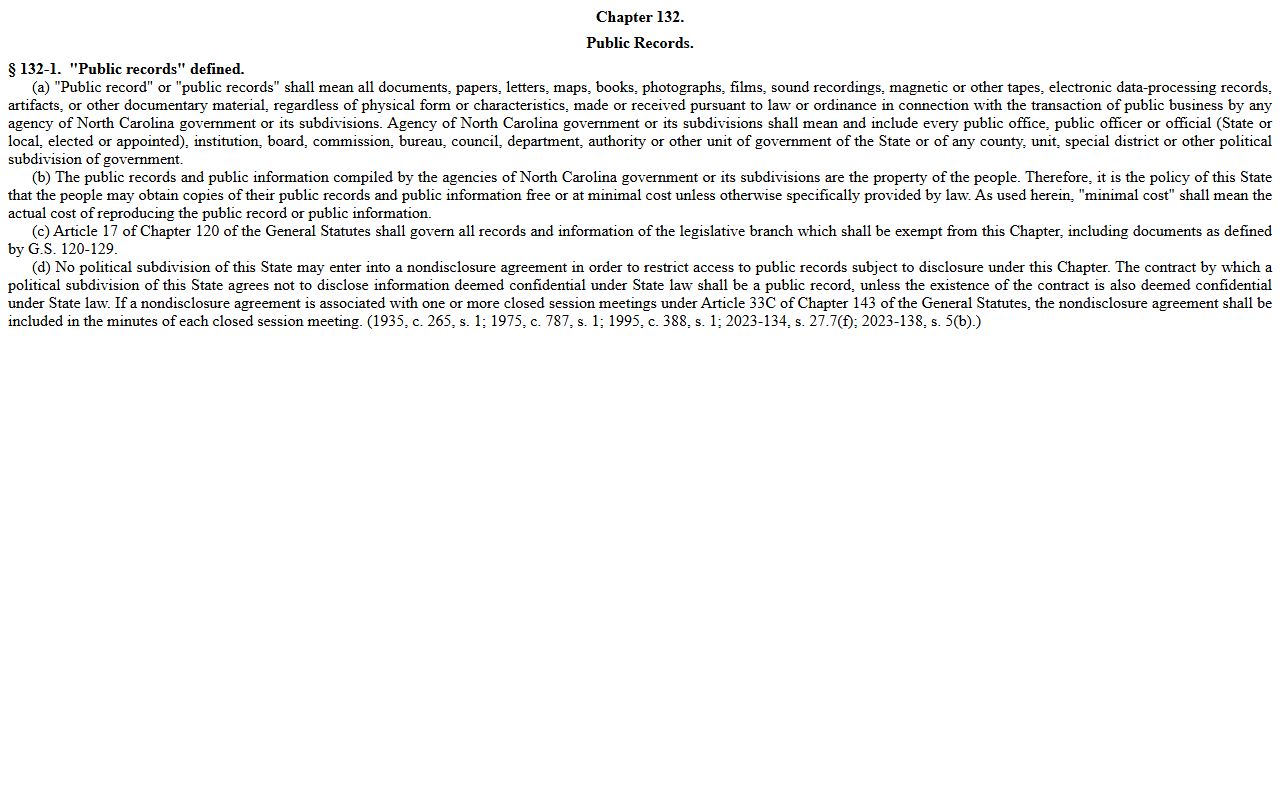
From that broad definition, the rest of the law sets how records are inspected and copied. The law treats records made or received in public business as the property of the people, so the default leans toward openness, with confidentiality treated as the exception that a statute must create.
Inspecting and Copying Mecklenburg County Records
The right to inspect and copy public records comes from statute. Agencies must allow inspection at reasonable times and under reasonable supervision. They do not have to produce records outside normal business hours, and they do not have to release records that another law makes confidential.
Read N.C.G.S. 132-6 on inspecting and examining public records.
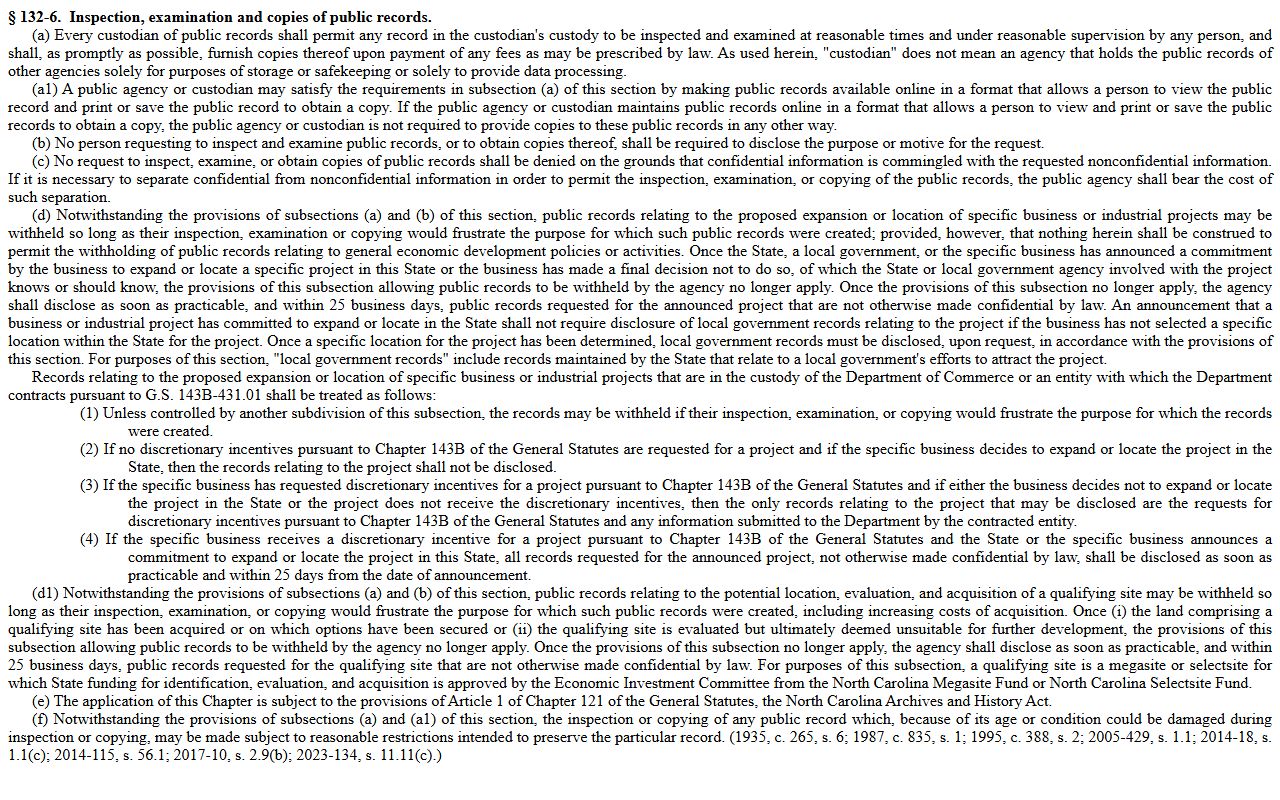
This section is the practical basis for walking into an office and asking to see a record. It supports inspection and copying, but it does not force an agency to create a record that does not exist or to compile a new report just because you ask. You get access to records the agency already keeps, in the form it keeps them.
Court Records vs County Records
Public records split across several custodians, and people often ask the wrong one. Court case files, criminal and civil files, estates, and judgments are Clerk of Superior Court records. Real estate recordings, marriage licenses, and many vital-record copies are Register of Deeds records. Arrest and resident data is Sheriff data. Each office has its own search and request method.
Court records are not governed by Chapter 132 alone. They also follow court rules, confidentiality statutes, sealing orders, and eCourts access policy. For example, divorce is a court record under family-law statutes.
Read N.C.G.S. 50-6 on divorce, a court record kept by the clerk.
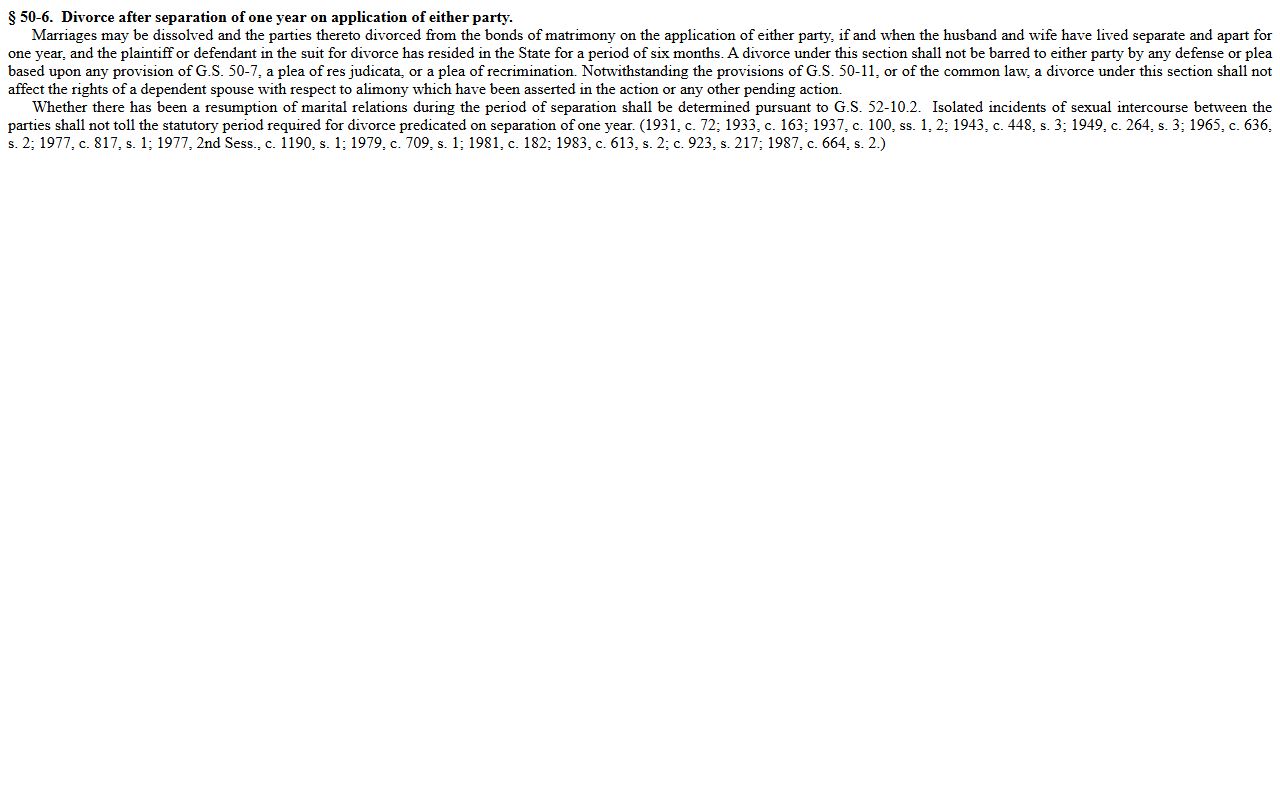
So a divorce copy comes from the court, while a marriage copy comes from the Register of Deeds. The Sheriff, meanwhile, holds arrest and resident inquiry data for three years. Sorting these custodians up front prevents the common mistake of mailing a request to the wrong office and waiting weeks for a reply that points you elsewhere.
How to File a Public Records Request
A clear request gets a faster answer. Identify the record, the custodian, and the format you want, then follow the office's method.
- Decide which office holds the record: clerk, Register of Deeds, or Sheriff.
- Gather identifying details, such as names, dates, and a case or file number.
- Use the office's online tool, email, or in-person request.
- For court case files, search the eCourts Portal first.
- For a court file before October 9, 2023, email the correct clerk division.
- Pay any copy or certification fee the office charges.
The Judicial Branch runs a request service for its administrative records that are not in the Portal.
Use the Judicial Branch public-record request for court administrative records.
That service is for administrative records, while case files come from the Portal or the clerk.
Public Records Request Fields
A request asks for a few standard pieces of information so the office can find the right record. The table lists the common fields.
| Field | Required | Notes |
|---|---|---|
| Requester Name and Contact | Yes | For delivery and questions |
| Record Type | Yes | Court file, deed, vital record, or other |
| Party Names | Yes | Names tied to the record |
| Case or File Number | If known | Speeds the search |
| Delivery Method | Yes | Pickup, mail, or electronic |
For older court files, include the record type, party names, and file number in the email to the clerk division. The more precise the request, the faster the office can match it to a file and tell you the cost.
Mecklenburg County Public Records Fees
Fees depend on the office and the record. Public-record copy fees can be the actual cost plus a special service charge for heavy technology or staff use. Register of Deeds copy fees are set and precise. The table shows both, and the statute sets the public-record fee rule.
| Item | Amount |
|---|---|
| Certified real estate copy | $5 first page, $2 each added page |
| Non-certified copy in person | $0.25 per page |
| Non-certified copy by mail | $1 per page |
| Certified birth, death, or marriage copy | $10 each |
| Court copy and certification fees | Ask the Clerk of Superior Court |
The Register of Deeds fee schedule references the state fee statute for recording charges.
Read N.C.G.S. 161-10 on Register of Deeds fees.
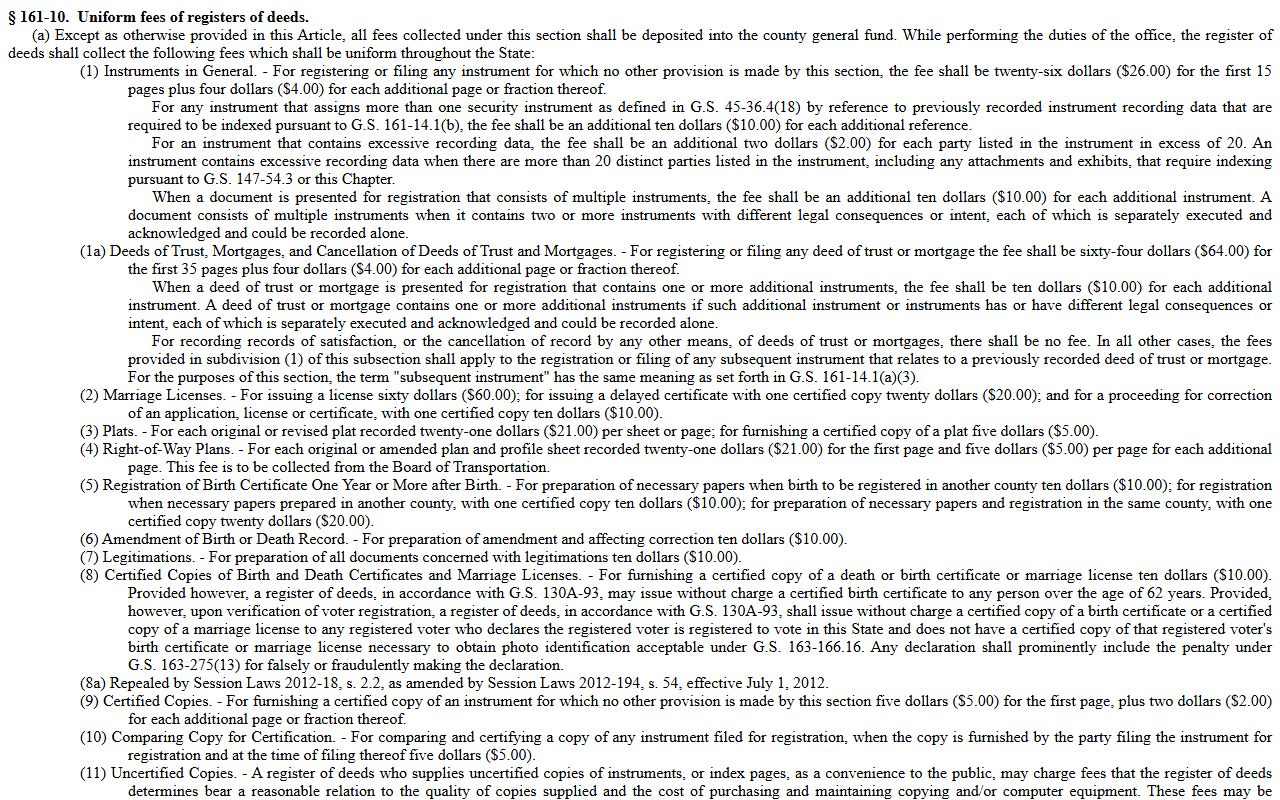
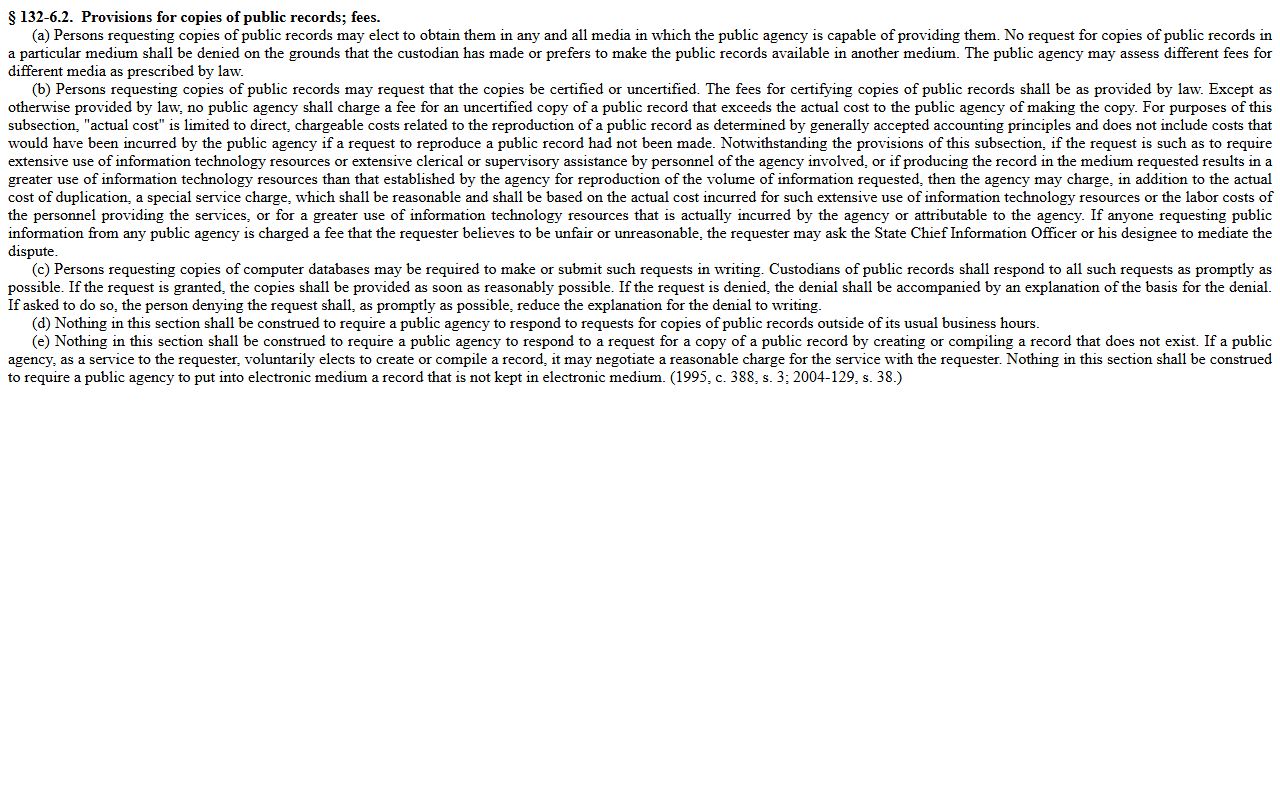
The public-record fee rule itself is set in N.C.G.S. 132-6.2, shown with the request section above.
Confidential and Restricted Records
Open access has limits. Some records are closed by default, no matter how broad the public records law is. Juvenile records are a clear example, withheld from public inspection under Chapter 7B.
Read N.C.G.S. 7B-3000 on juvenile records.
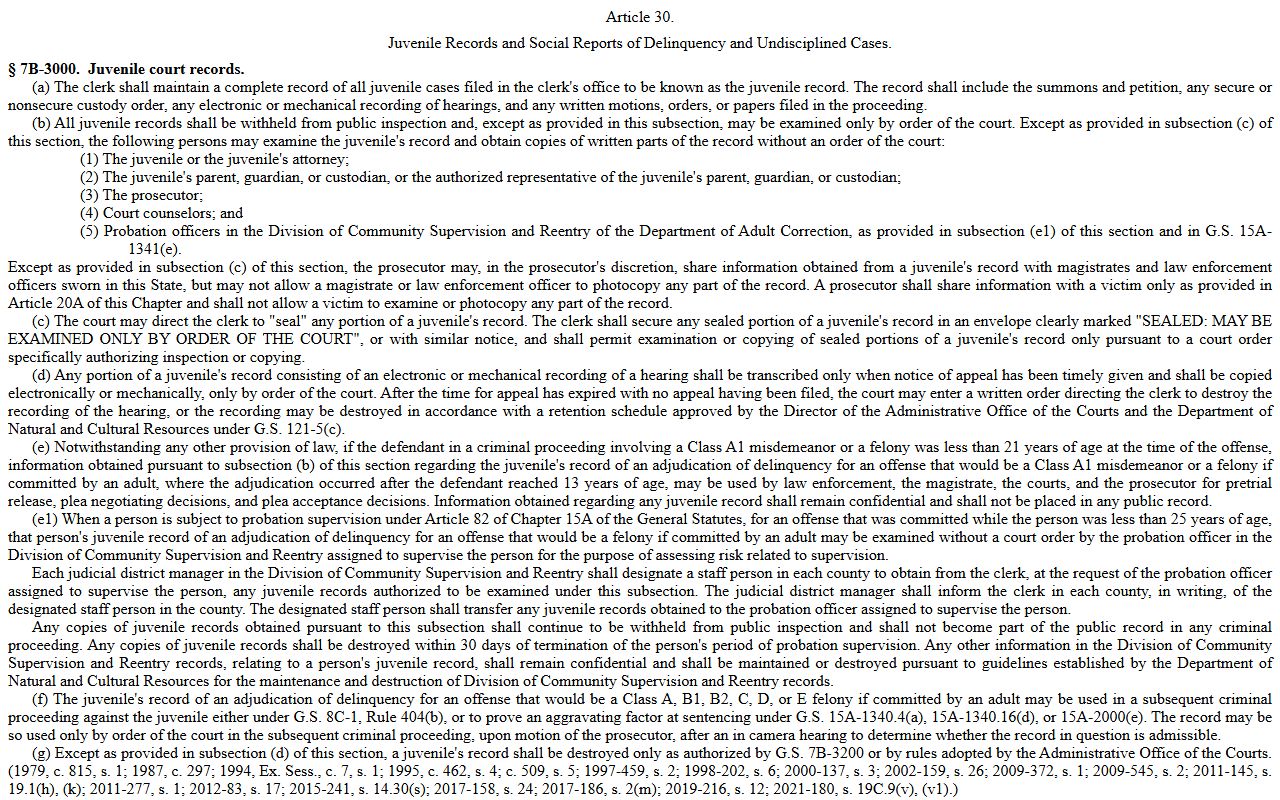
Other closed categories include adoption records, expunged cases, sealed files, mental health proceedings, grand jury materials, and protective-order safety details. Personal identifiers like Social Security numbers are redacted from public copies.
Public Record Request Routes
Pick the route that matches the record. Court case files go through the eCourts Portal or a clerk email for older files. Real estate and vital records go through the Register of Deeds online or in person. Sheriff arrest and resident data goes through the resident inquiry. Judicial Branch administrative records use the public-record request service. When a denial seems wrong, North Carolina public-records denials can generally be challenged in court. It also helps to keep requests specific. A narrow request with names, dates, and a file number is easier and cheaper to fill than a broad ask for everything an agency holds on a topic. If a record turns out to be confidential, the office should say so and point to the law that closes it.
Note: Government records are open unless a law says otherwise, so a denial should cite the specific statute that makes the record confidential.